
Digging out in the Palisades Fire burn zone
Story and visuals by Barron Bixler
A version of this photo essay was originally published in High Country News to mark the one-year anniversary of the Palisades and Eaton Fires, which burned simultaneously in Los Angeles from January 7 to January 31, 2025.
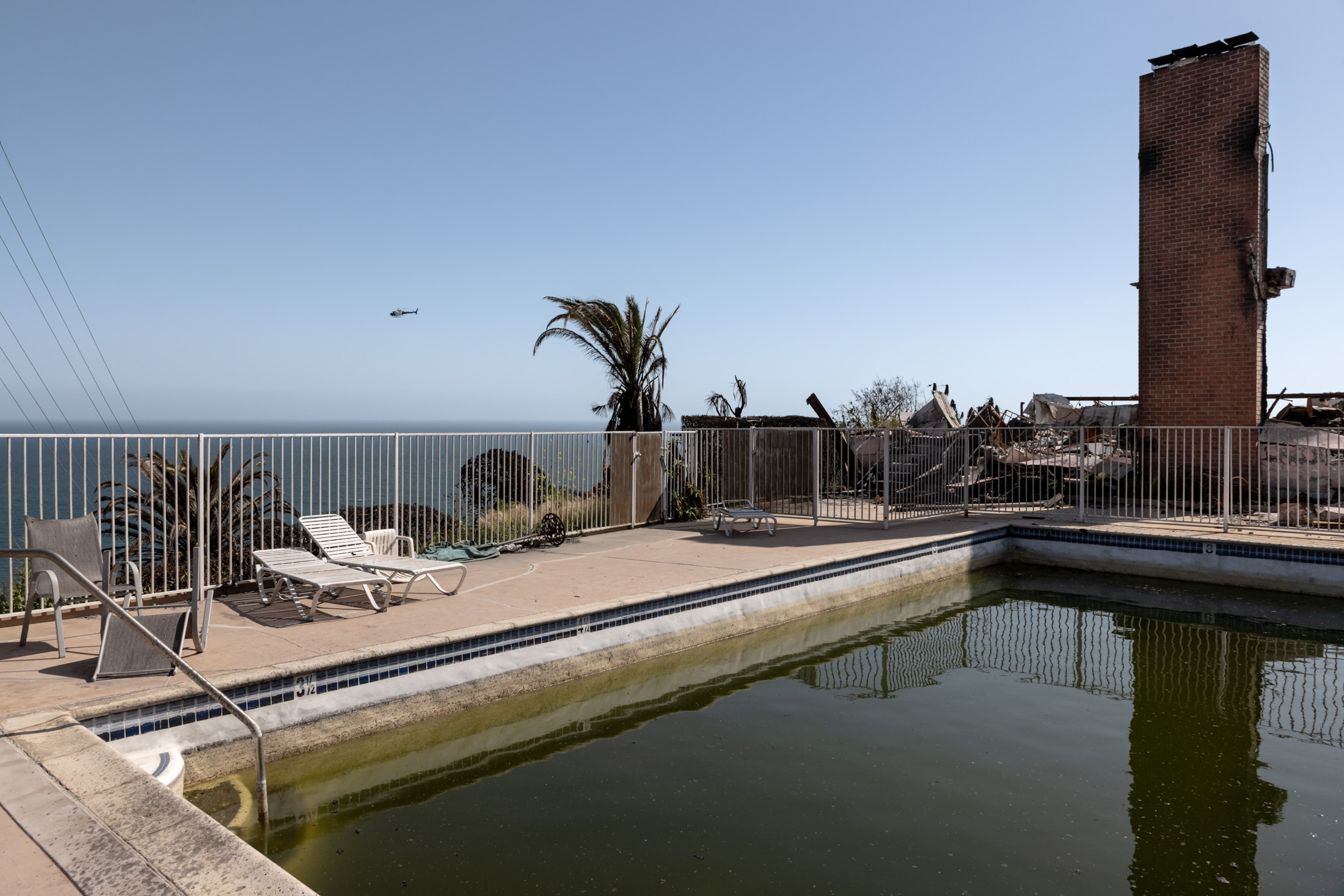
Talking my way through the National Guard checkpoint at the intersection of Amalfi Drive and Sunset Boulevard felt like crossing the River Styx, into the underworld.
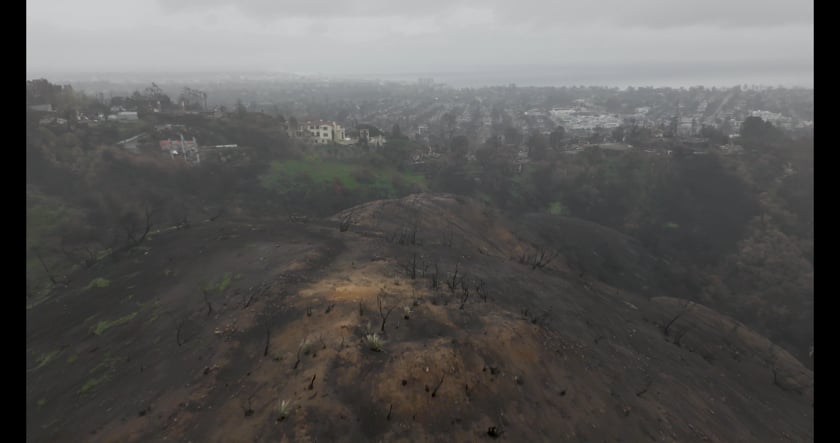
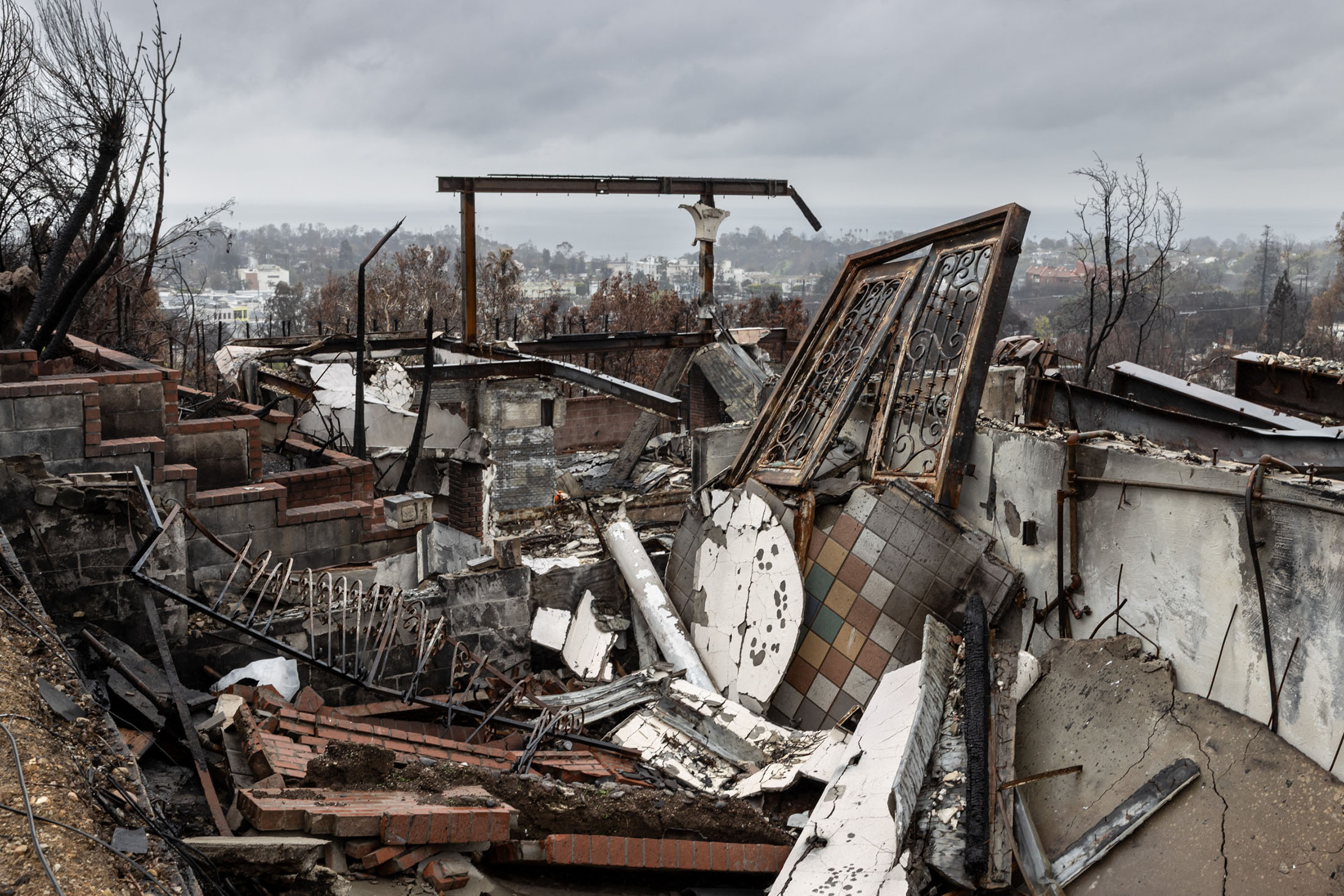
It was early March 2025. The last embers of the Palisades Fire had been out for a month. It was cold, gray and drizzling. A blue-green mist coiled around the chaparral foothills of the Santa Monica Mountains like tendrils of smoke. The air smelled of ozone and scorched chemicals. I had bronchitis and bad dreams.
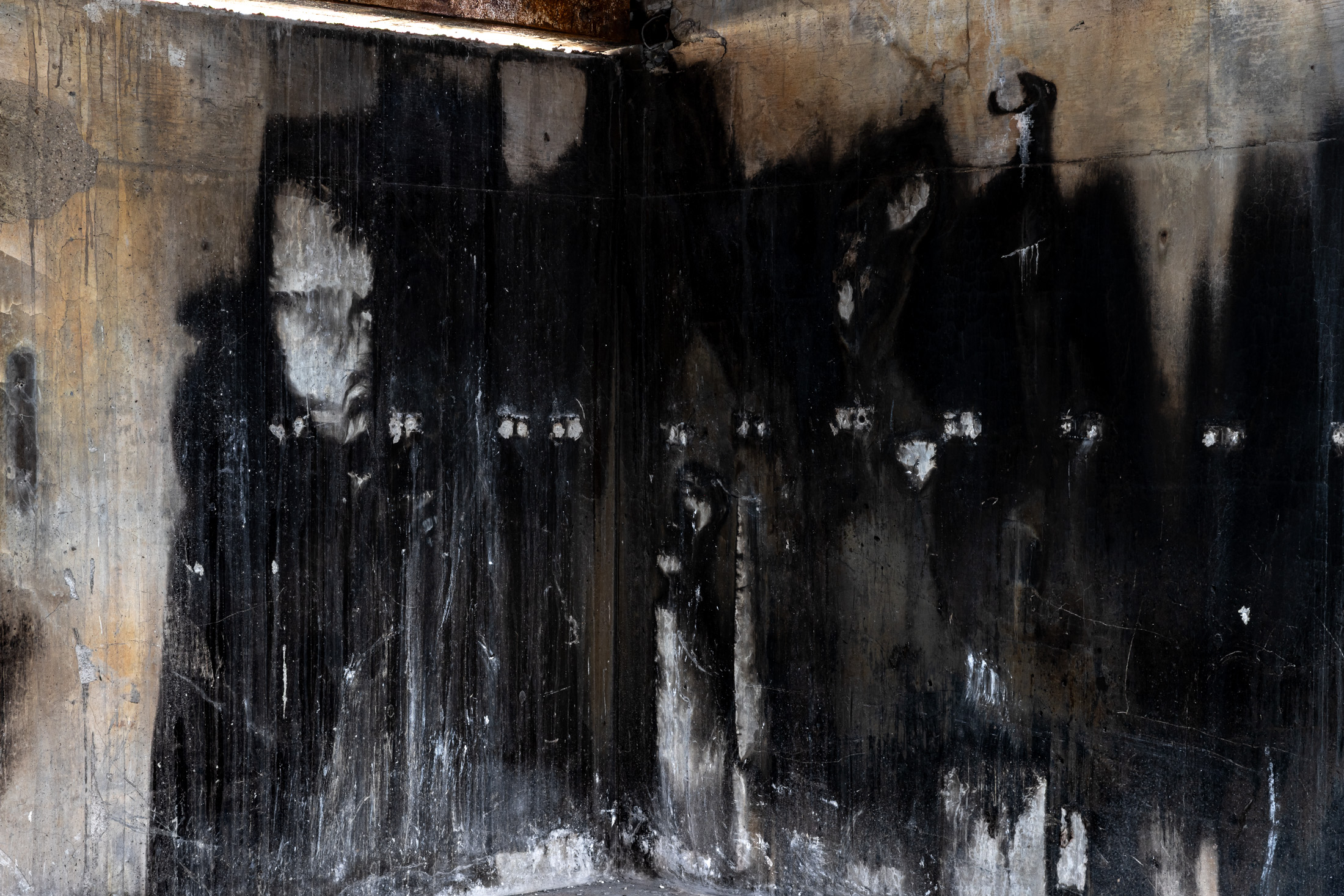
I’d spent the prior day driving around Altadena in a daze. My wife and I had pilgrimaged to see our old house on Grand Oaks Avenue. By some stroke of luck it survived the Eaton Fire, which burned simultaneously with the Palisades Fire, wreathing LA in flames for 24 days. But starting just a couple blocks north of our house and stretching for miles westward, it looked like an atom bomb had detonated. Most of Altadena was gone.
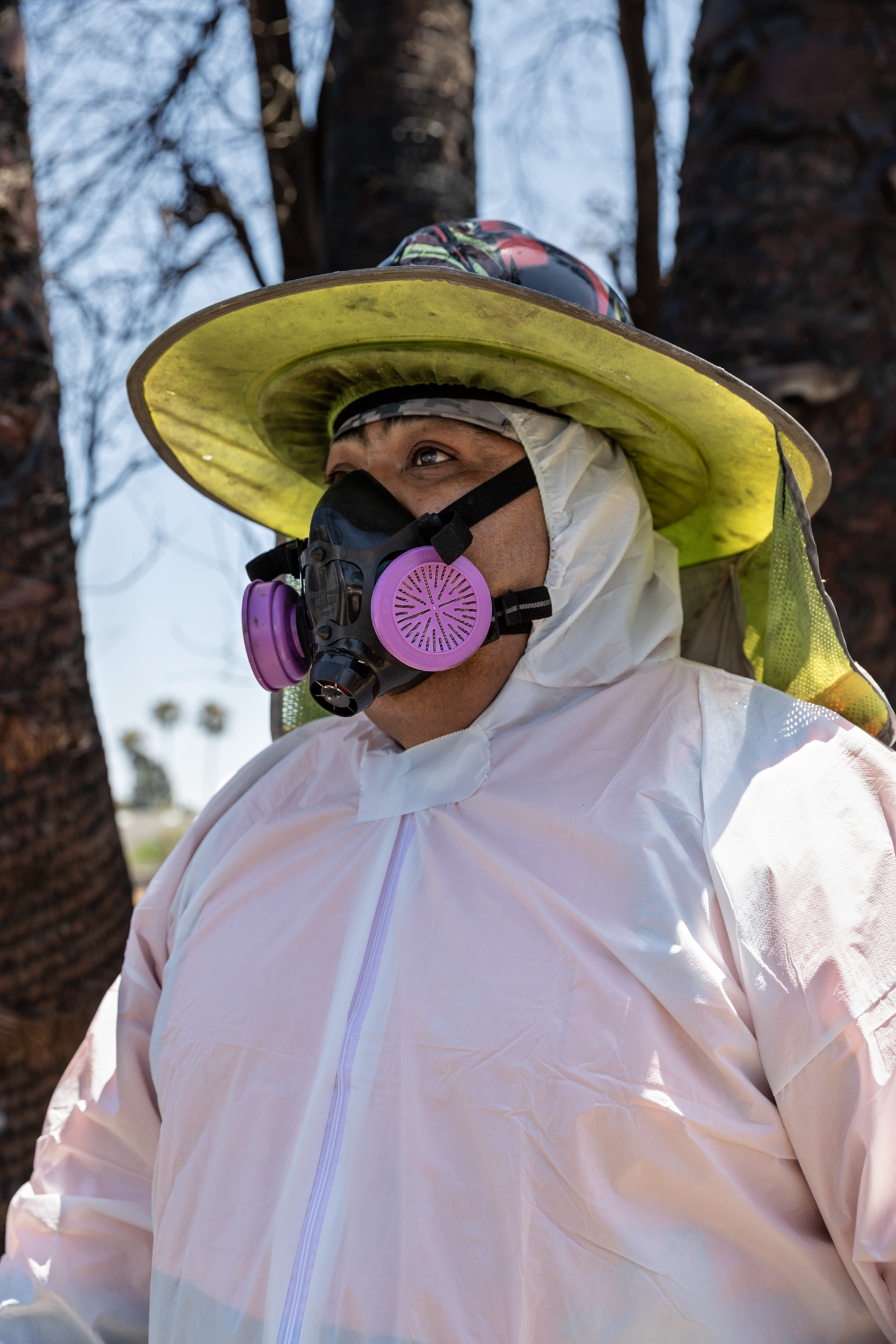
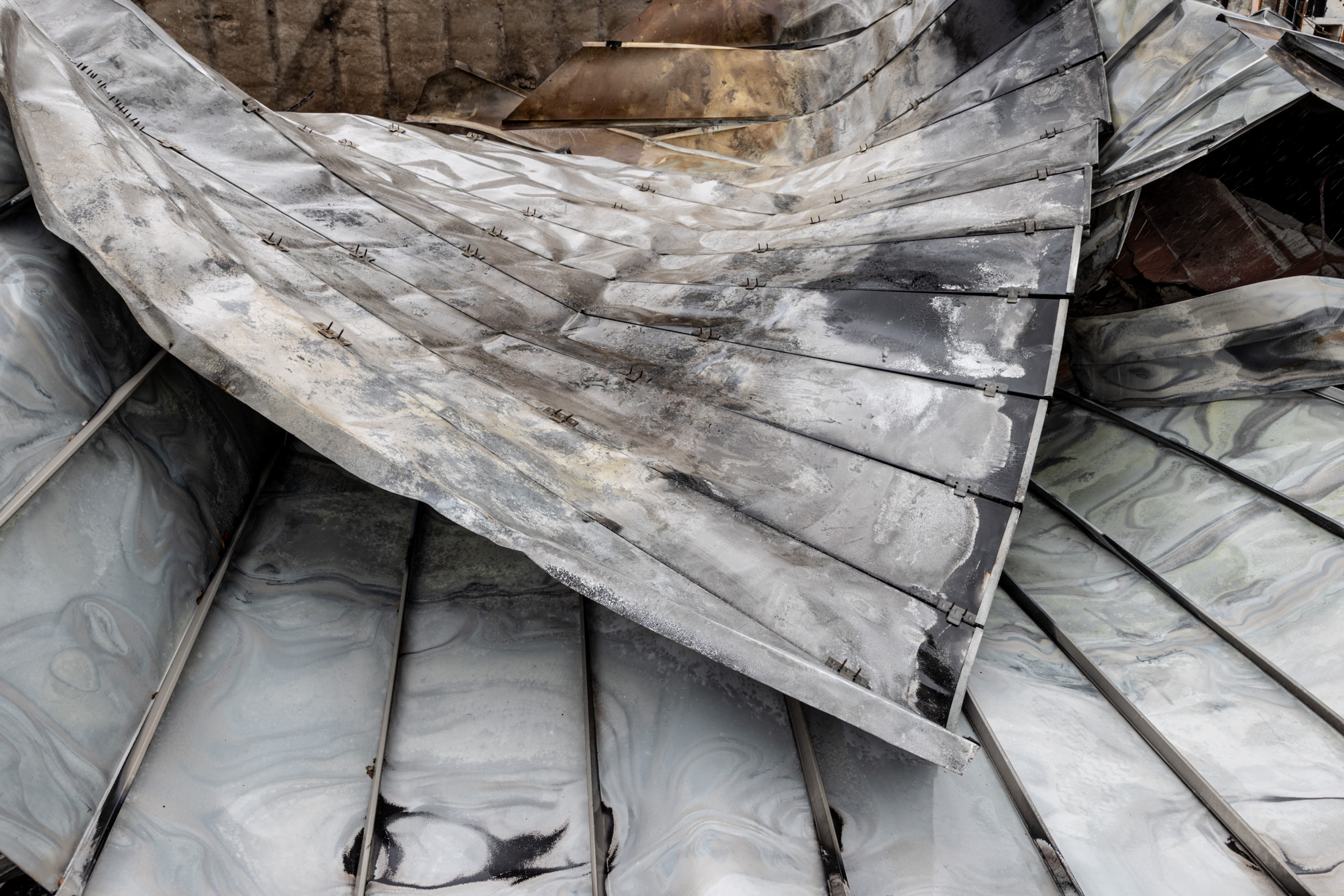
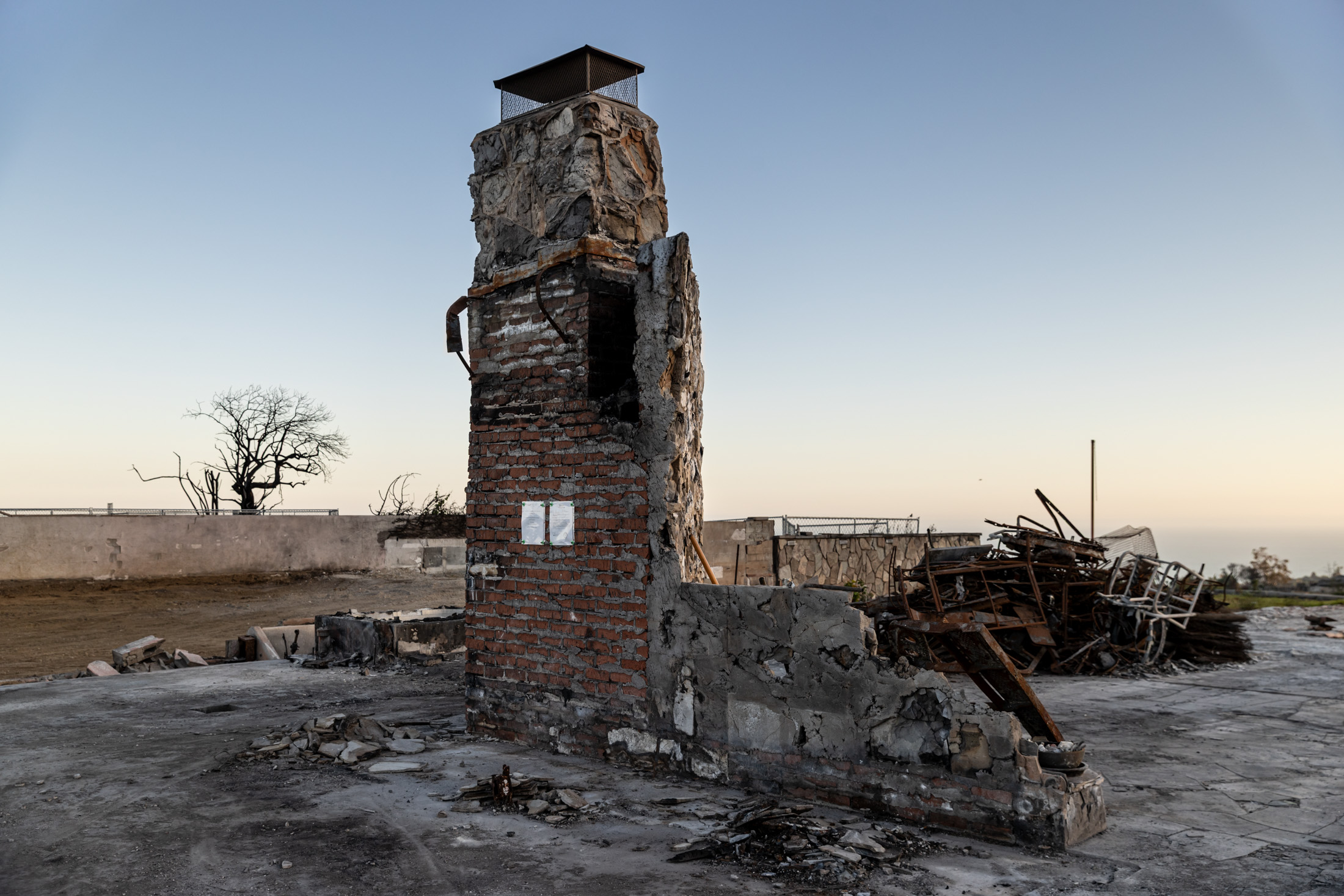
That first day I made it past the checkpoint into the Pacific Palisades, I met Brayan. I was wandering on foot, absorbing the sight of mansion after mansion transformed by fire into teetering, abstract sculptures. I was chilled, wheezing through the N95 mask I’d plucked from our dusty pandemic stash. When I stopped in front of the first property on the block to be cleared, the door of an excavator swung open and a spectral figure dressed in a white hazmat suit descended through the wreckage. He approached and, pulling aside a respirator, asked, “Was this your house?”
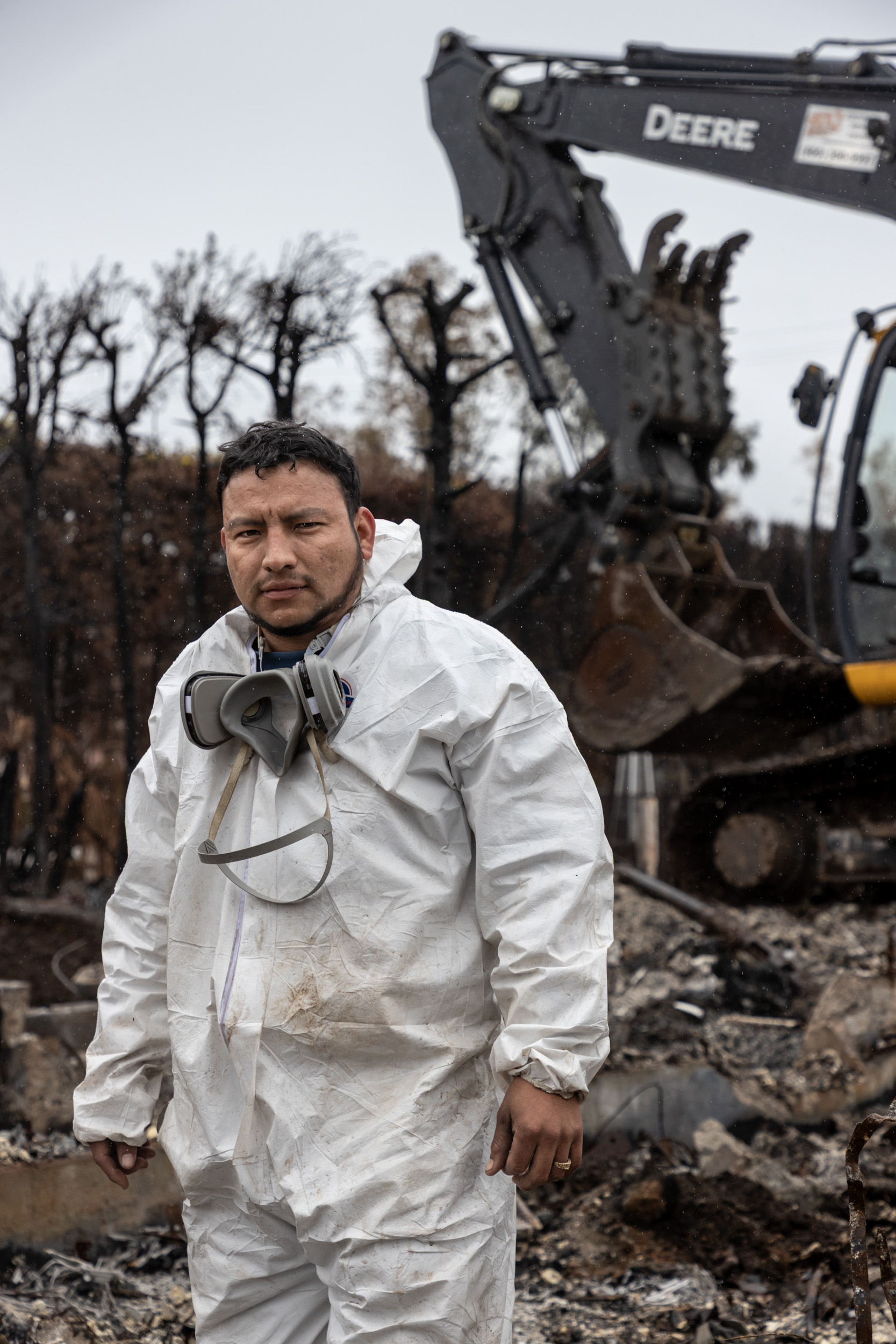
“It feels like a responsibility. We’re helping the city heal.”
– Brayan
I explained that the house wasn’t mine, and that I’d come simply to try to make sense of the devastation—to see it with my own eyes. Brayan told me that he lives in Wilmington, a close-knit, industrial community near the Port of Los Angeles. He and his wife have young twin boys. When I asked if he worried about the toll his work in the burn zone could take on his health, he replied, “No, it’s more the little things, you know?”
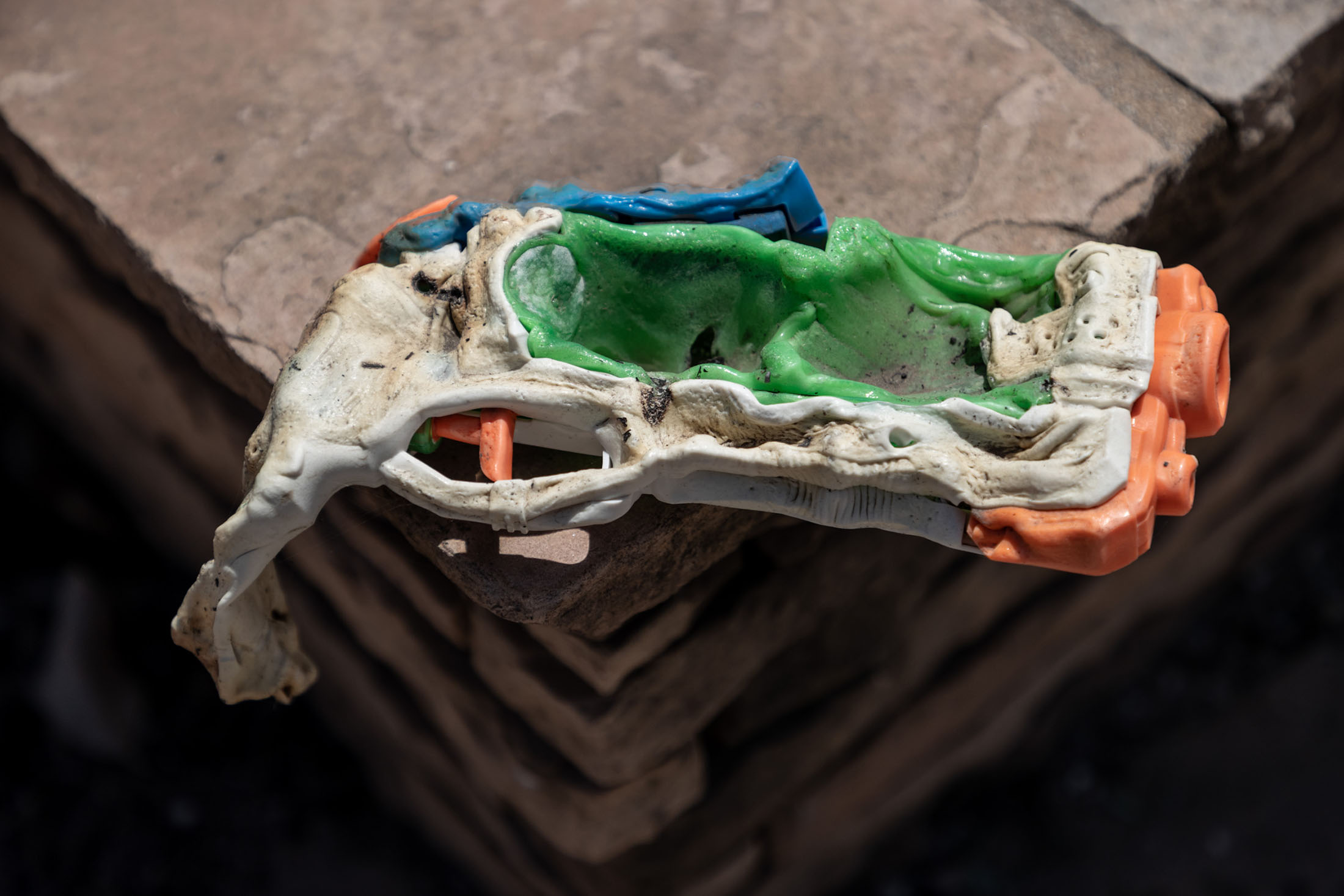
By the little things, he meant the psychic weight of seeing—and toiling amidst—the ruins of everything the residents of the Palisades had lost. And by extension, what we all are losing. Debris can be cleared. Houses can be rebuilt. Scars can heal over. But the lingering grief and anticipatory dread of climate disaster never really go away.
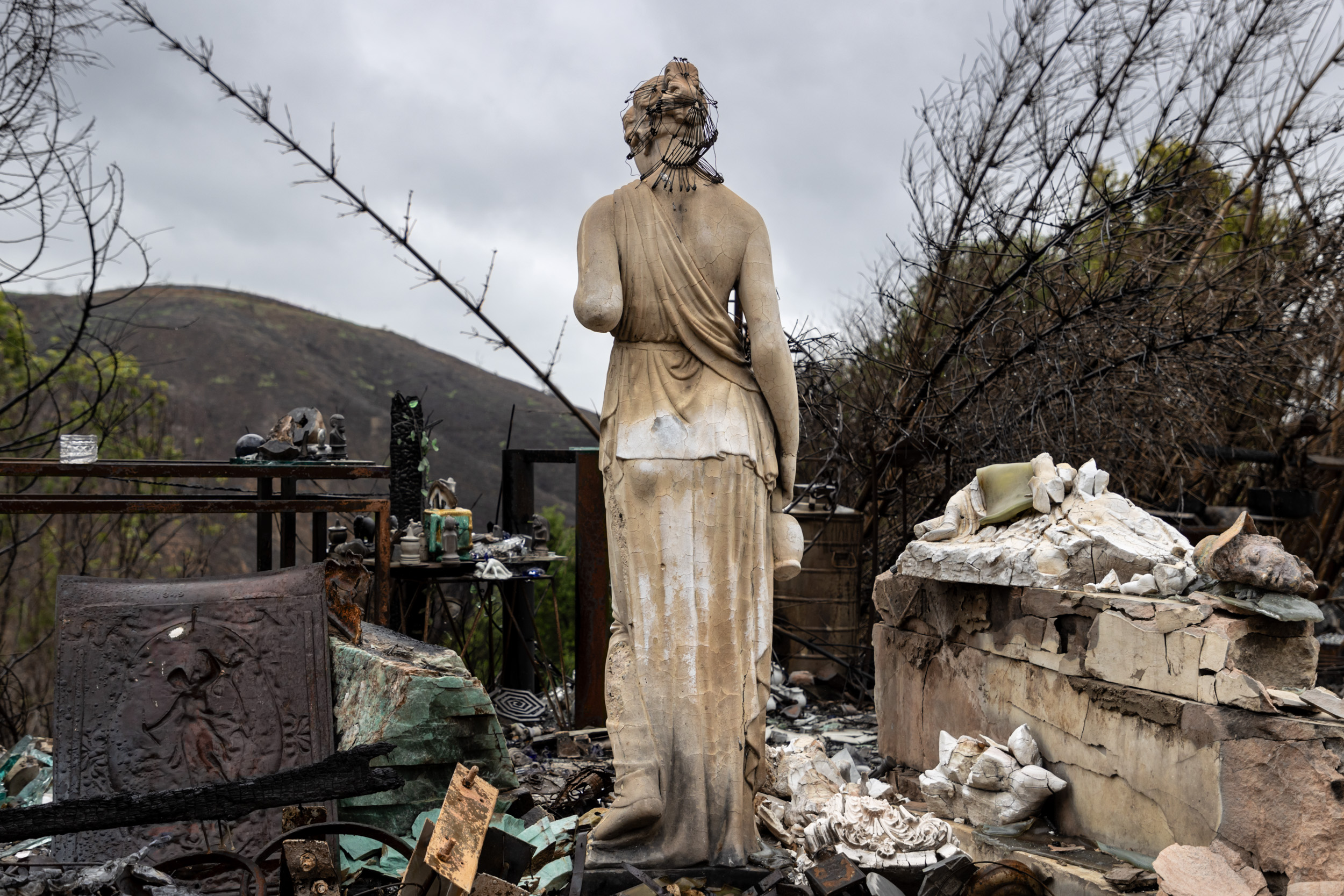
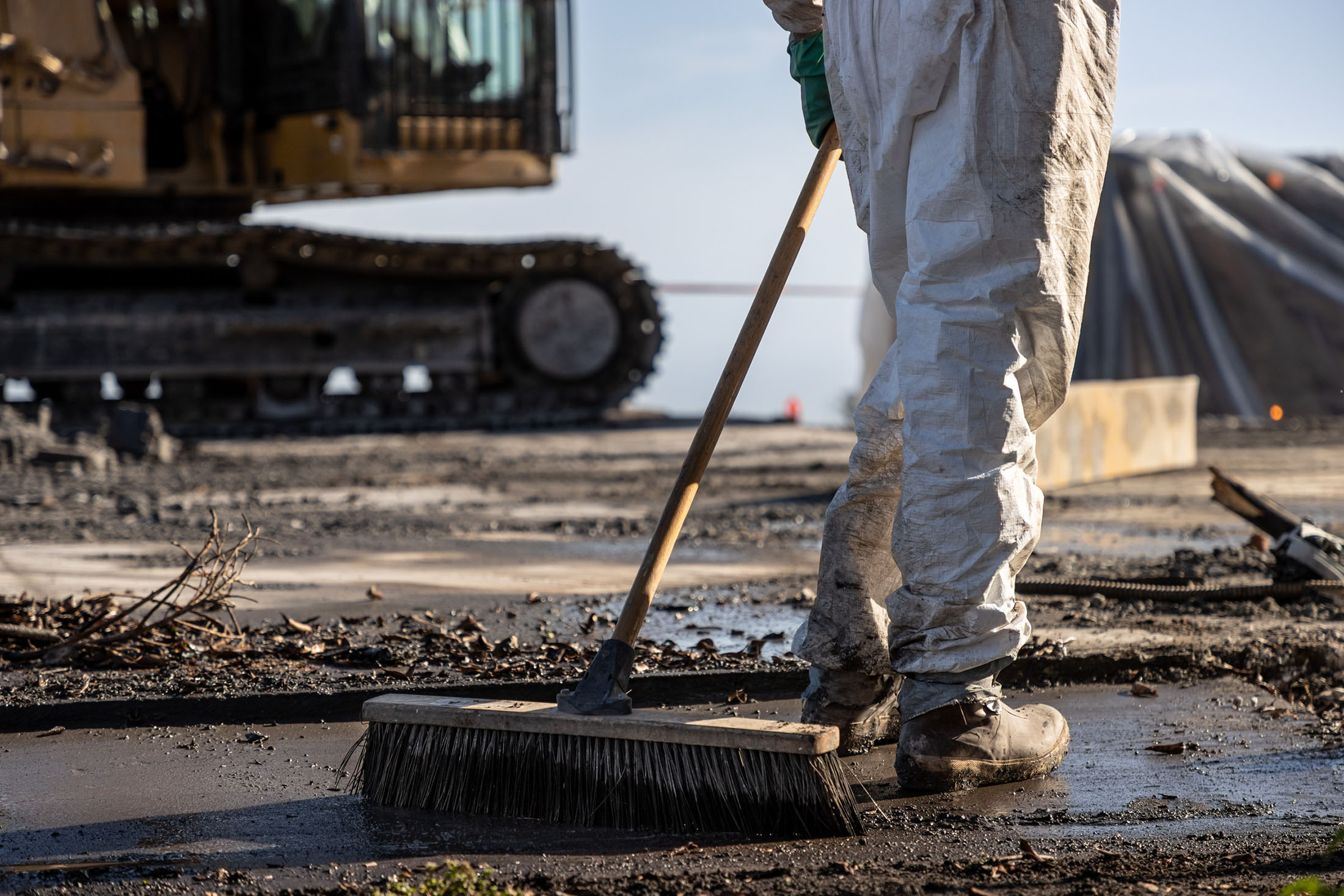
As I traversed the burn zone over the coming months, I met dozens of guys like Brayan—the workers charged with shoring up our broken world. As I heard their stories and tried to balance them against the impossible ambition of their labor, I was plagued by nagging questions: Amid ICE raids in their communities and brazen persecution of immigrants across the U.S., are we asking too much of these men in service of one of the city’s wealthiest neighborhoods? What scars will they carry with them out of this damned place, back into the bright shining blue world above?
“I saw the fire on TV and thought: ‘This is crazy.’ But I never expected that the whole town was gonna be gone. When I saw it for myself, I felt sick. Then I had to get to work.”
– Luis
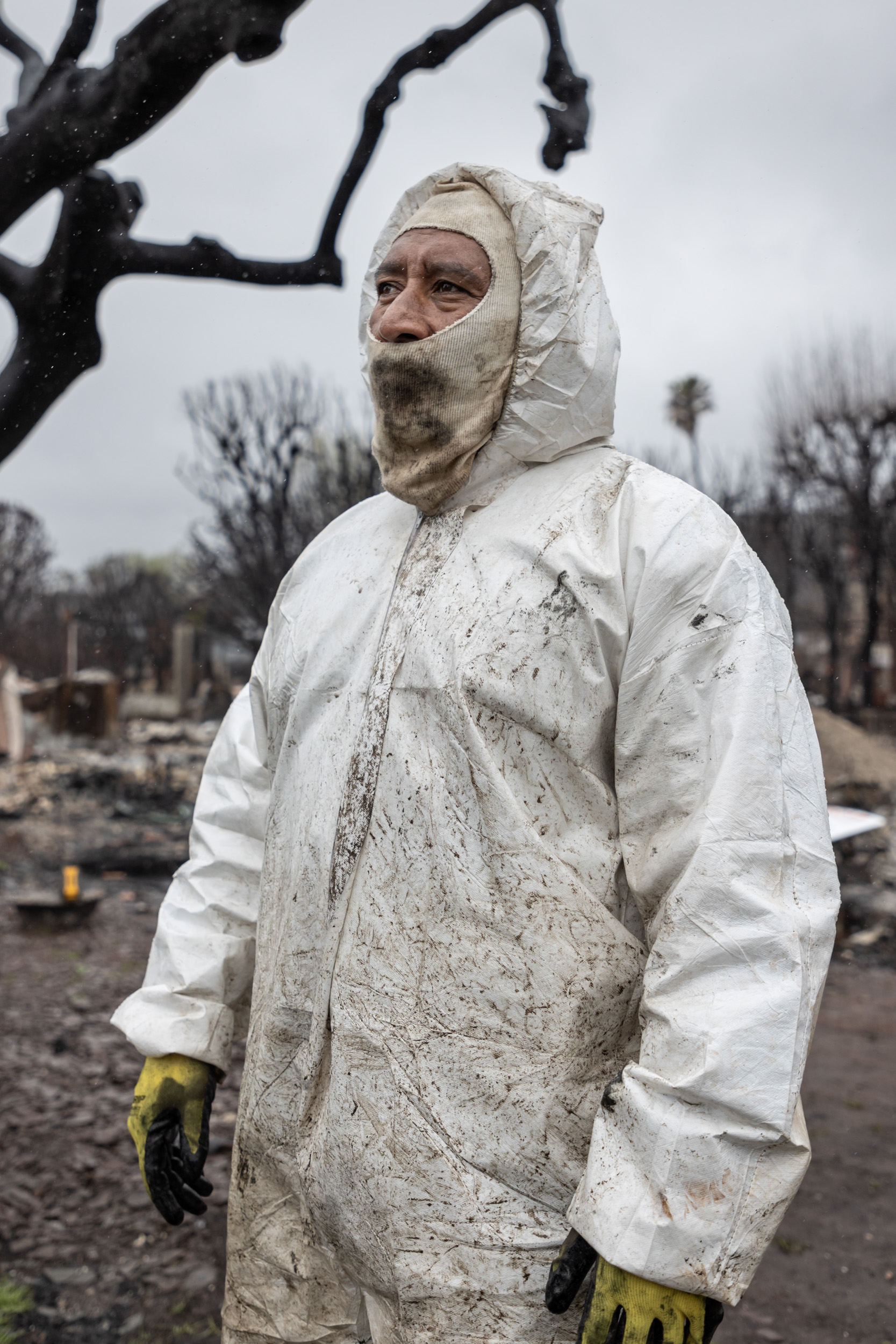
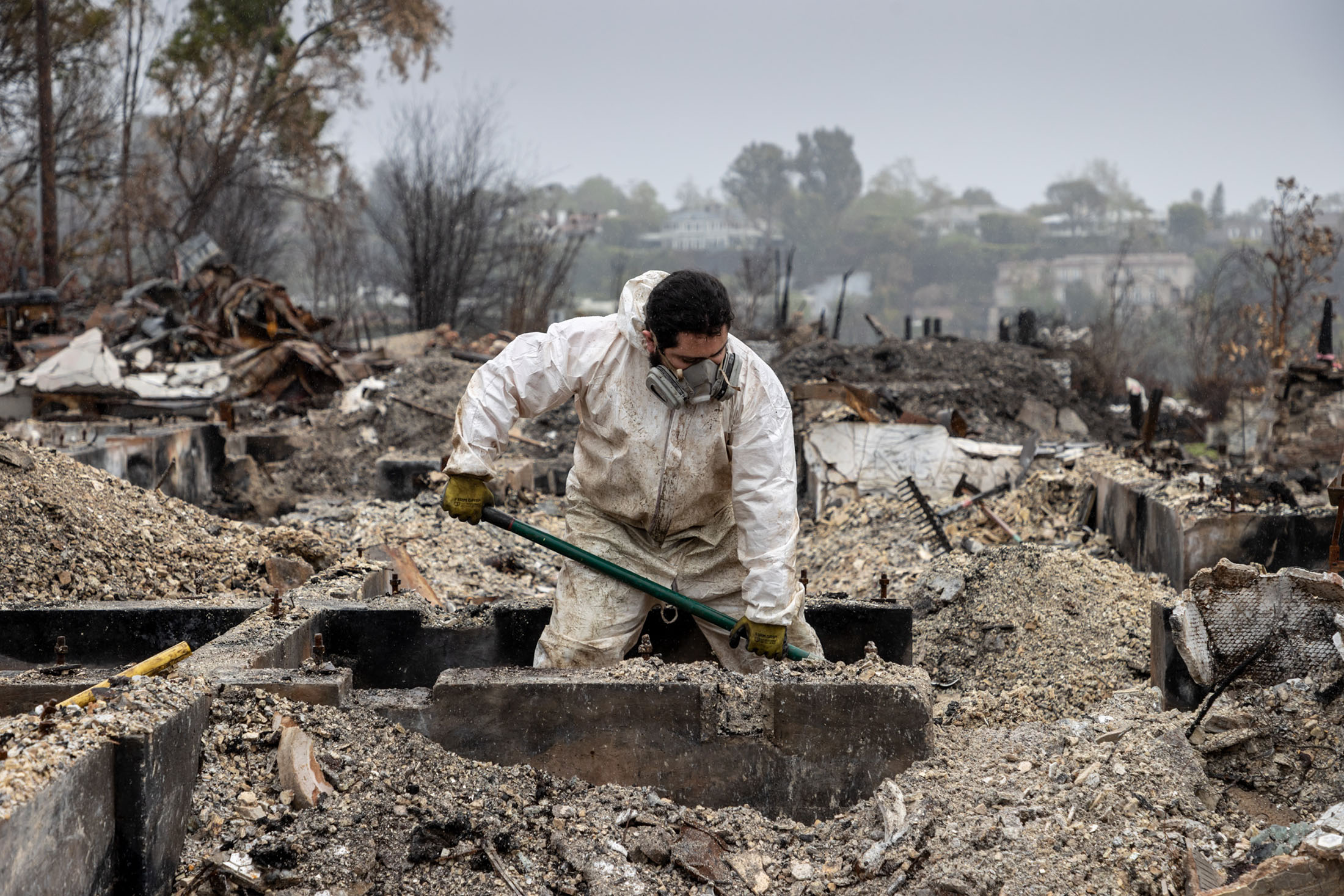
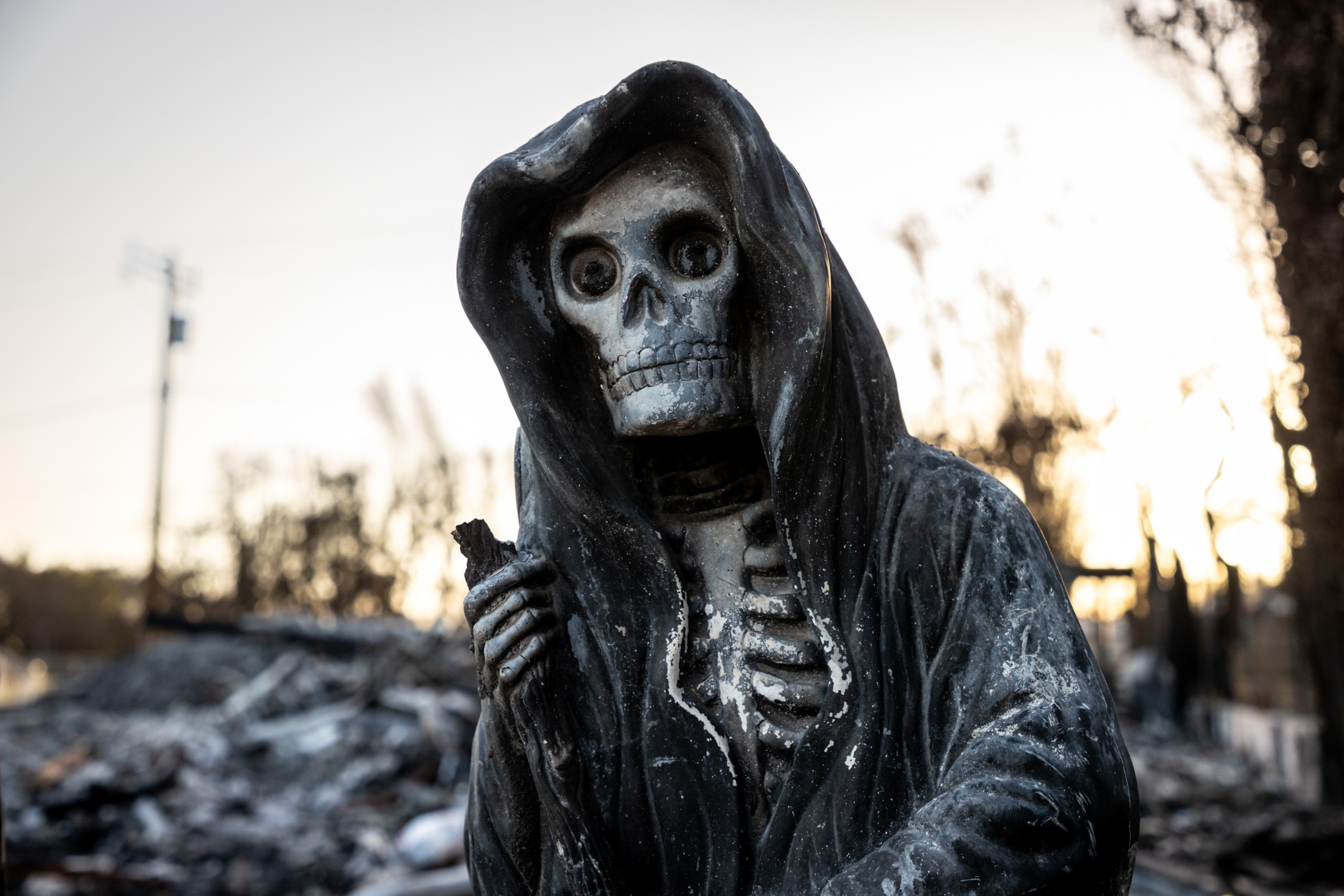
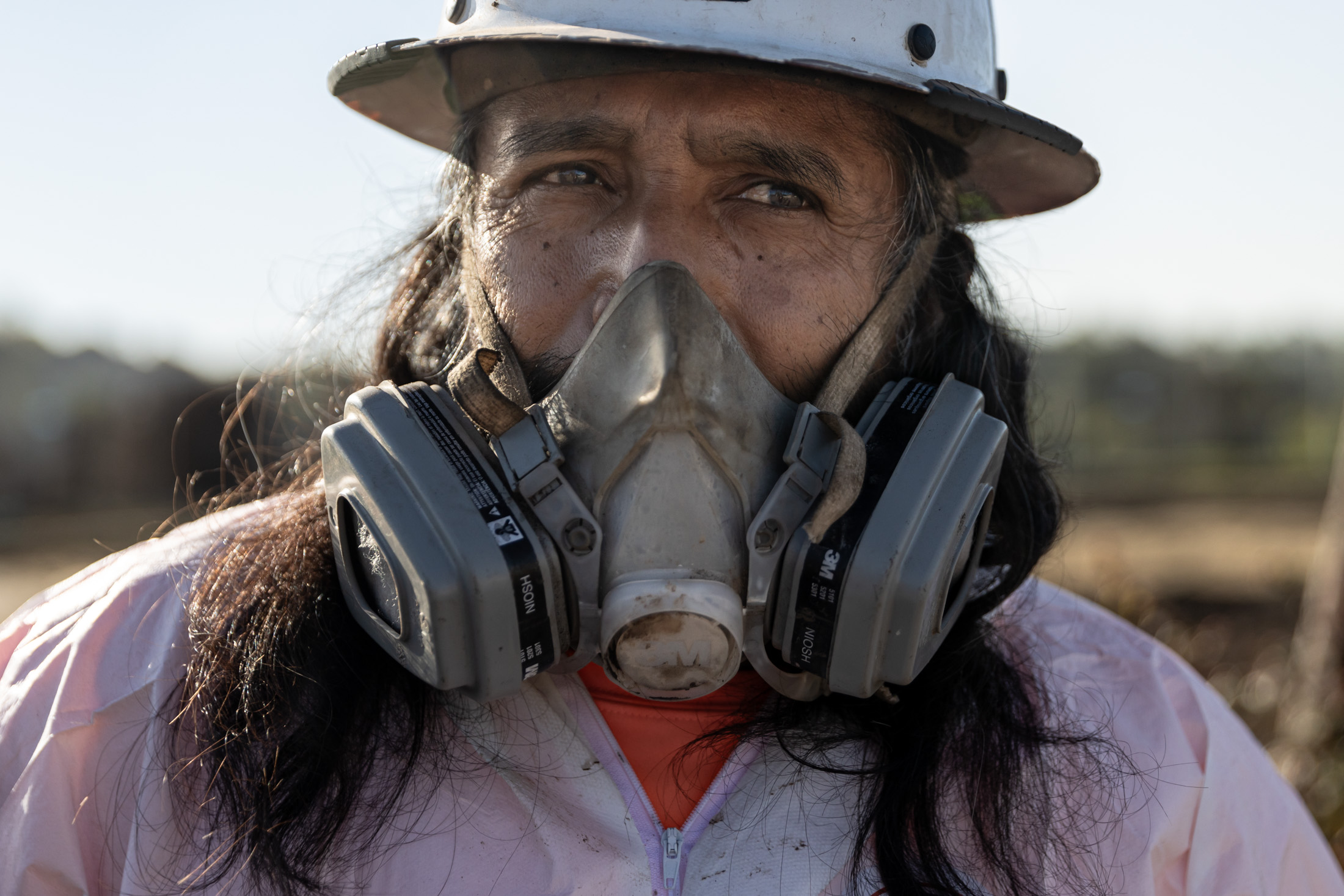
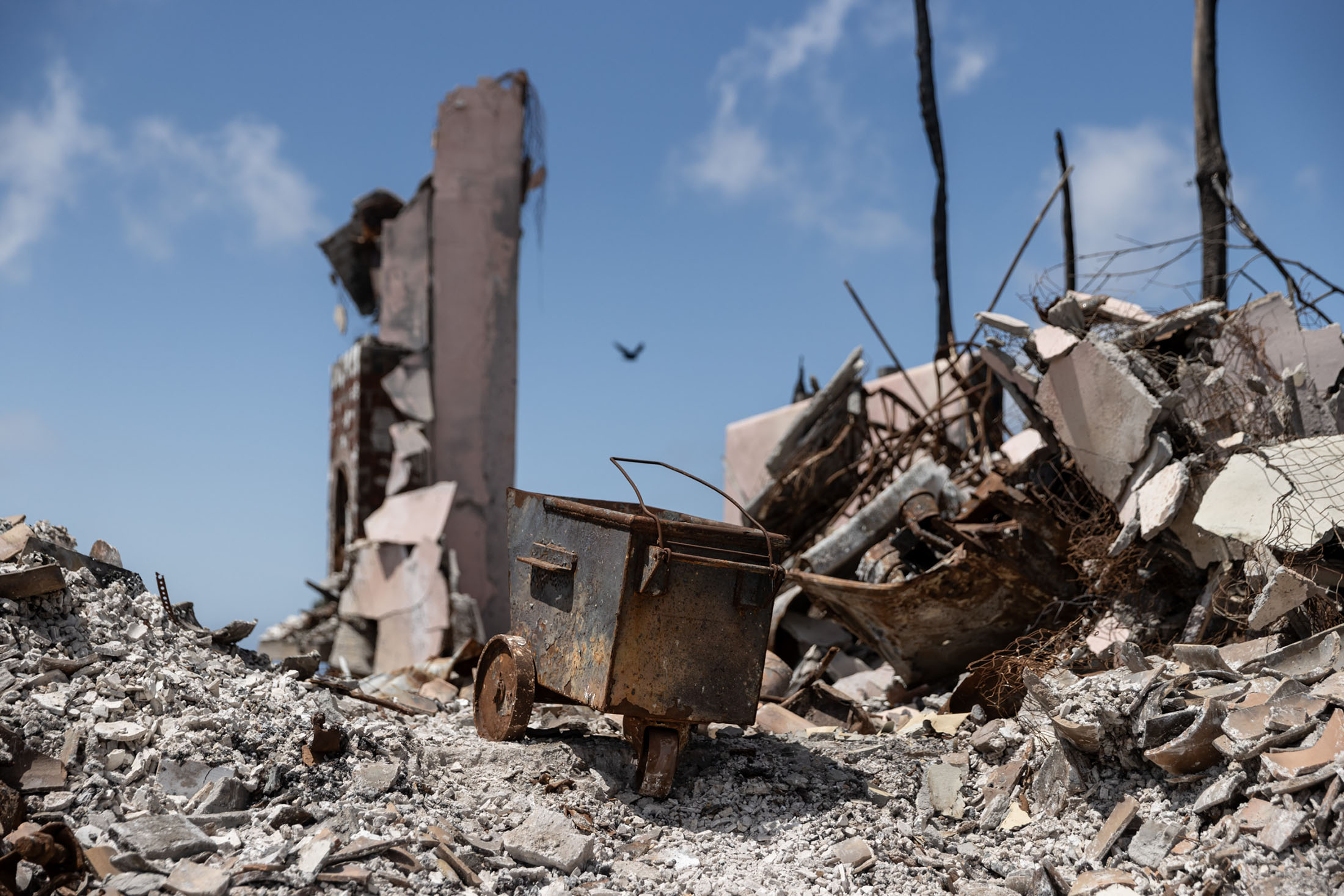
“The work is hard. But I know it's a big leap forward for our city.”
– Gustavo
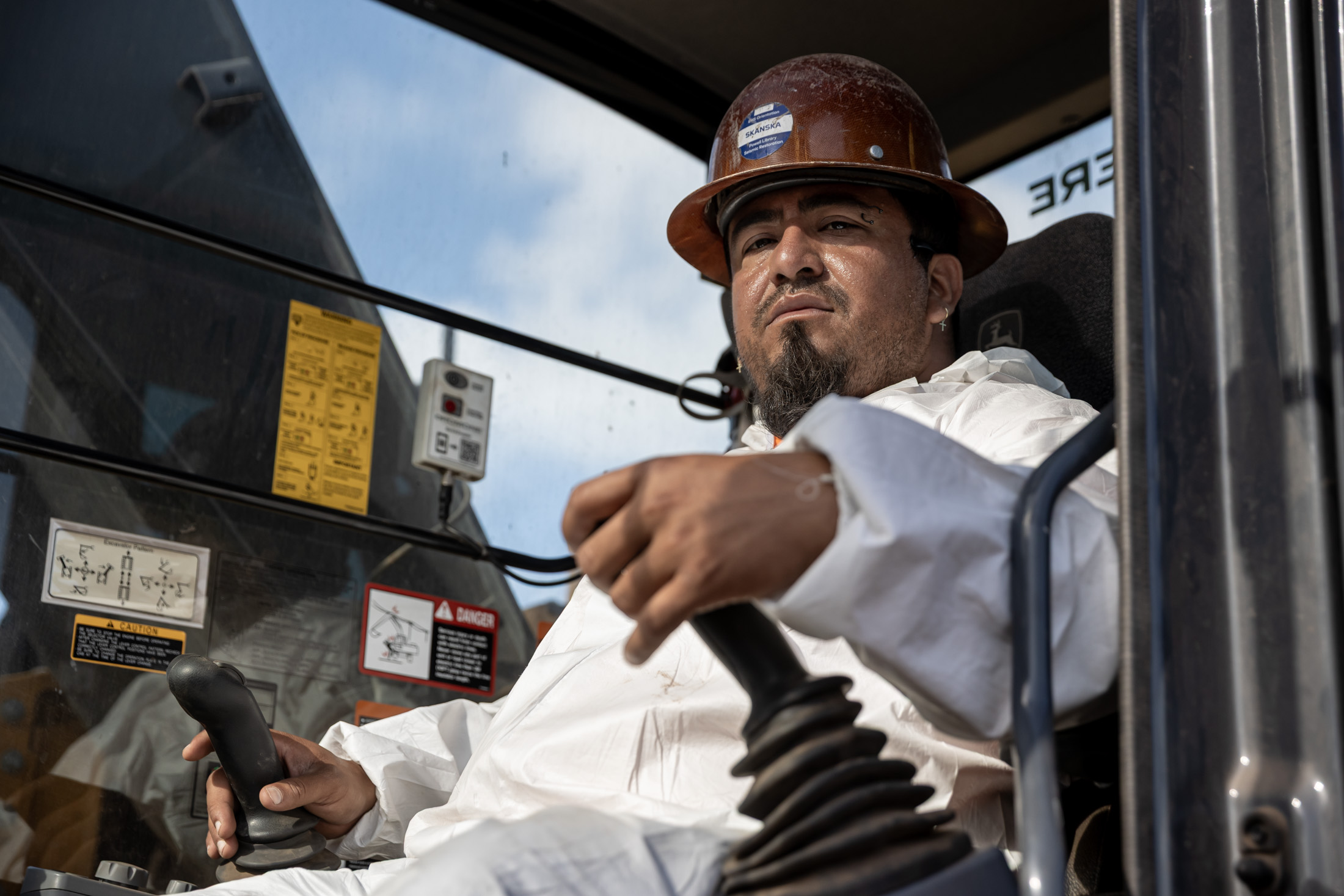
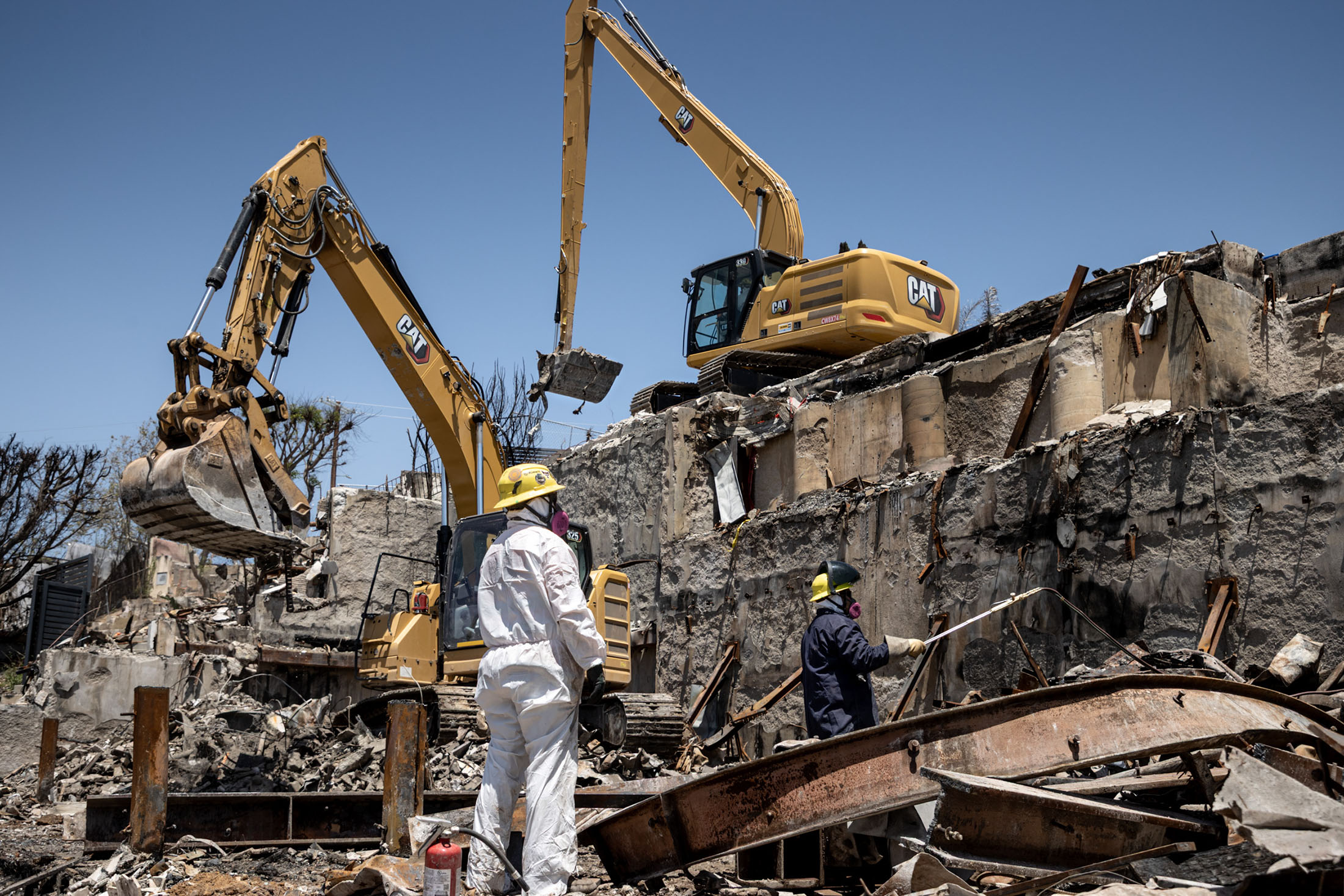
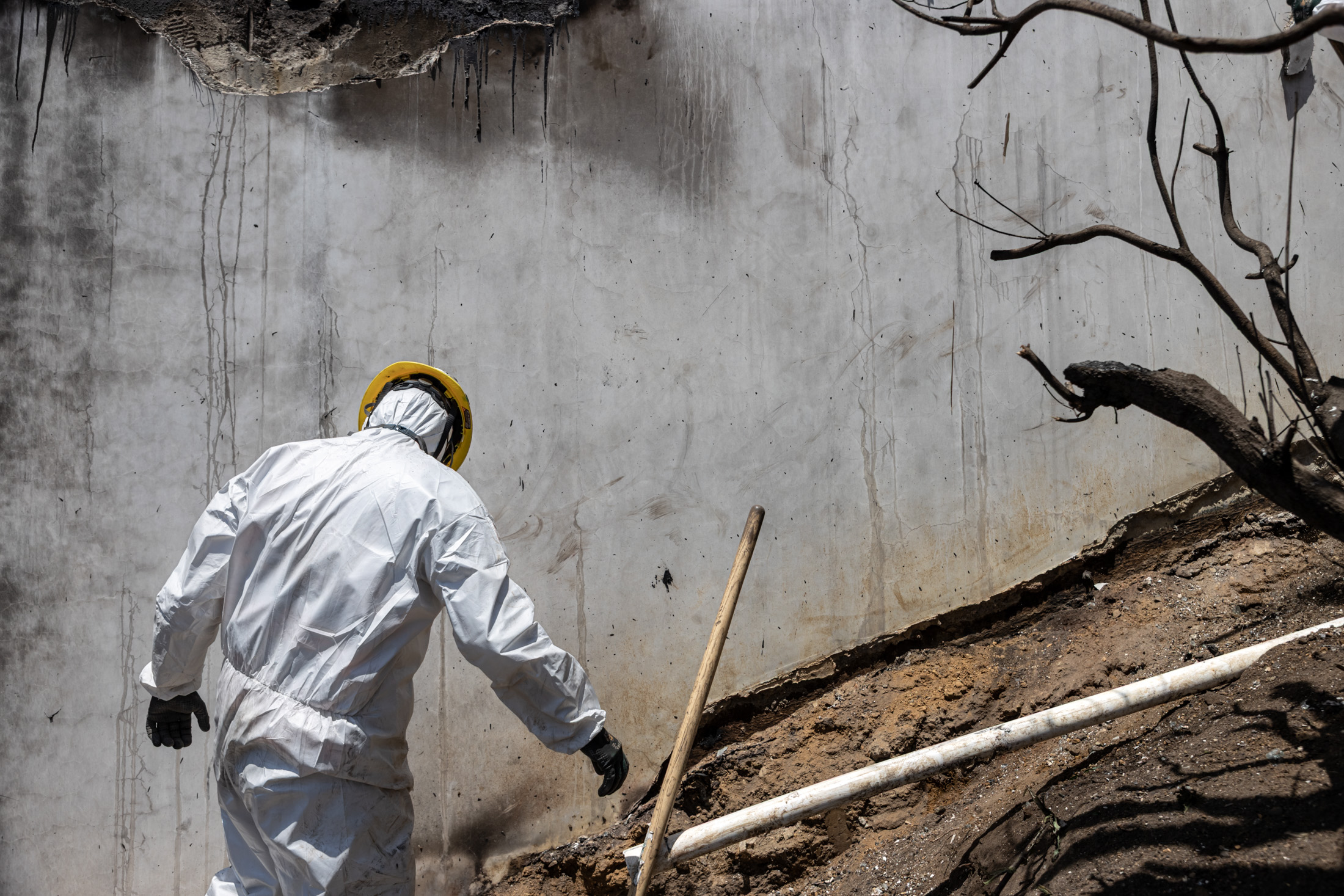
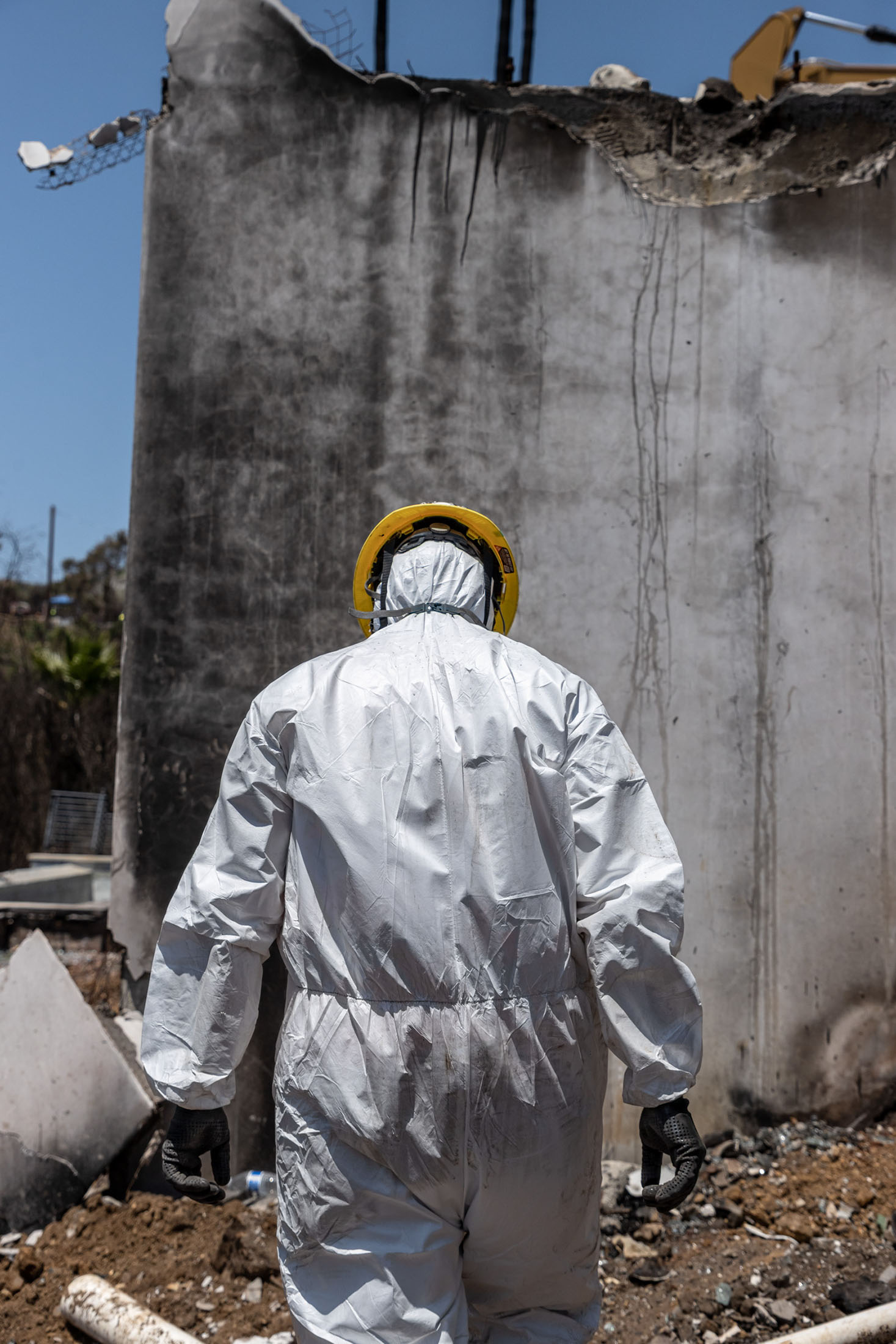
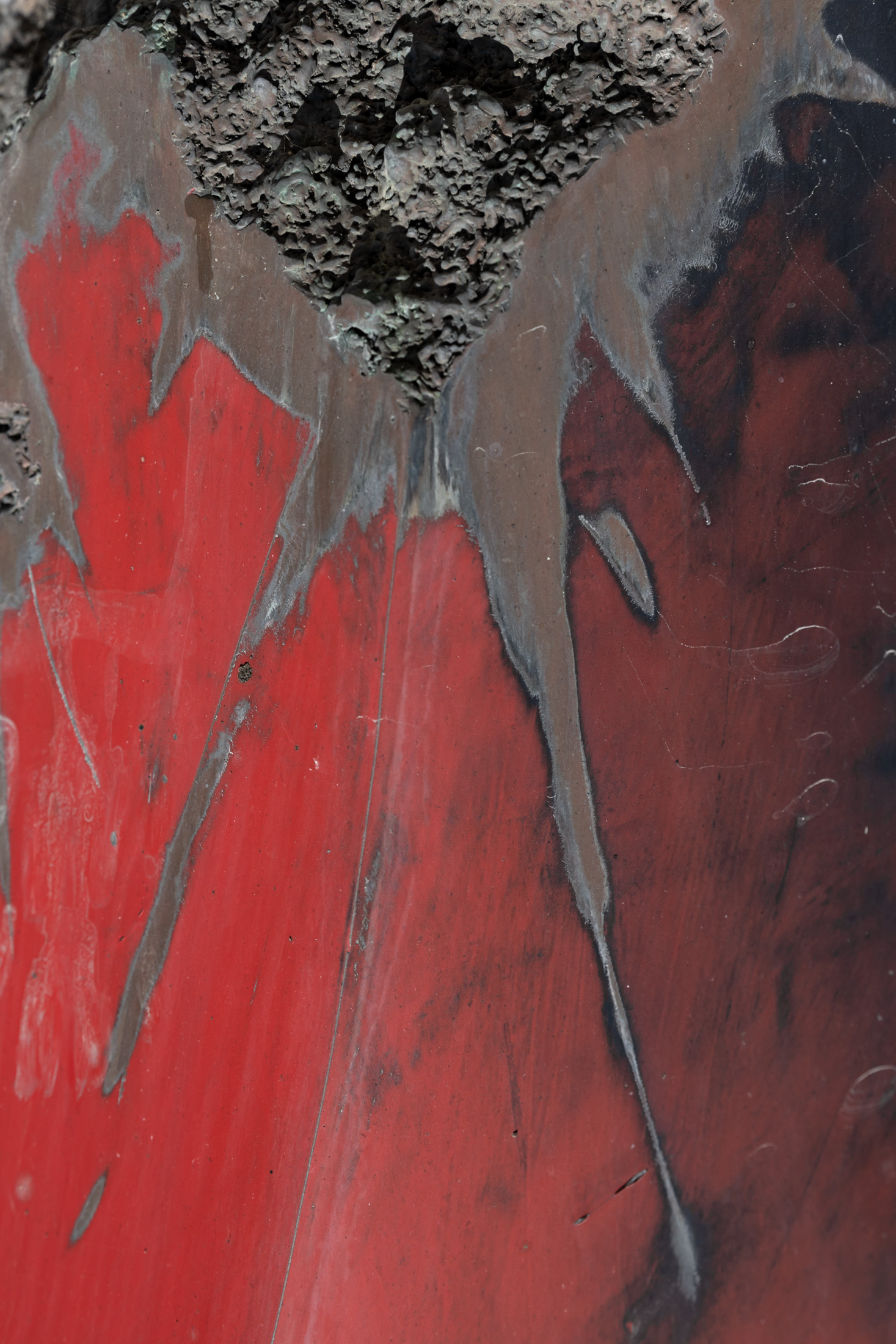
“It’s a hundred and twenty degrees in this suit. I can’t see. It’s hard to breathe. I’m sweating my ass off.”
– Angel
“They tell us we only have to wear PPE on the jobsite, but are you telling me that toxic dust cloud knows to stop at the yellow tape at the edge of the sidewalk?”
– Jordan
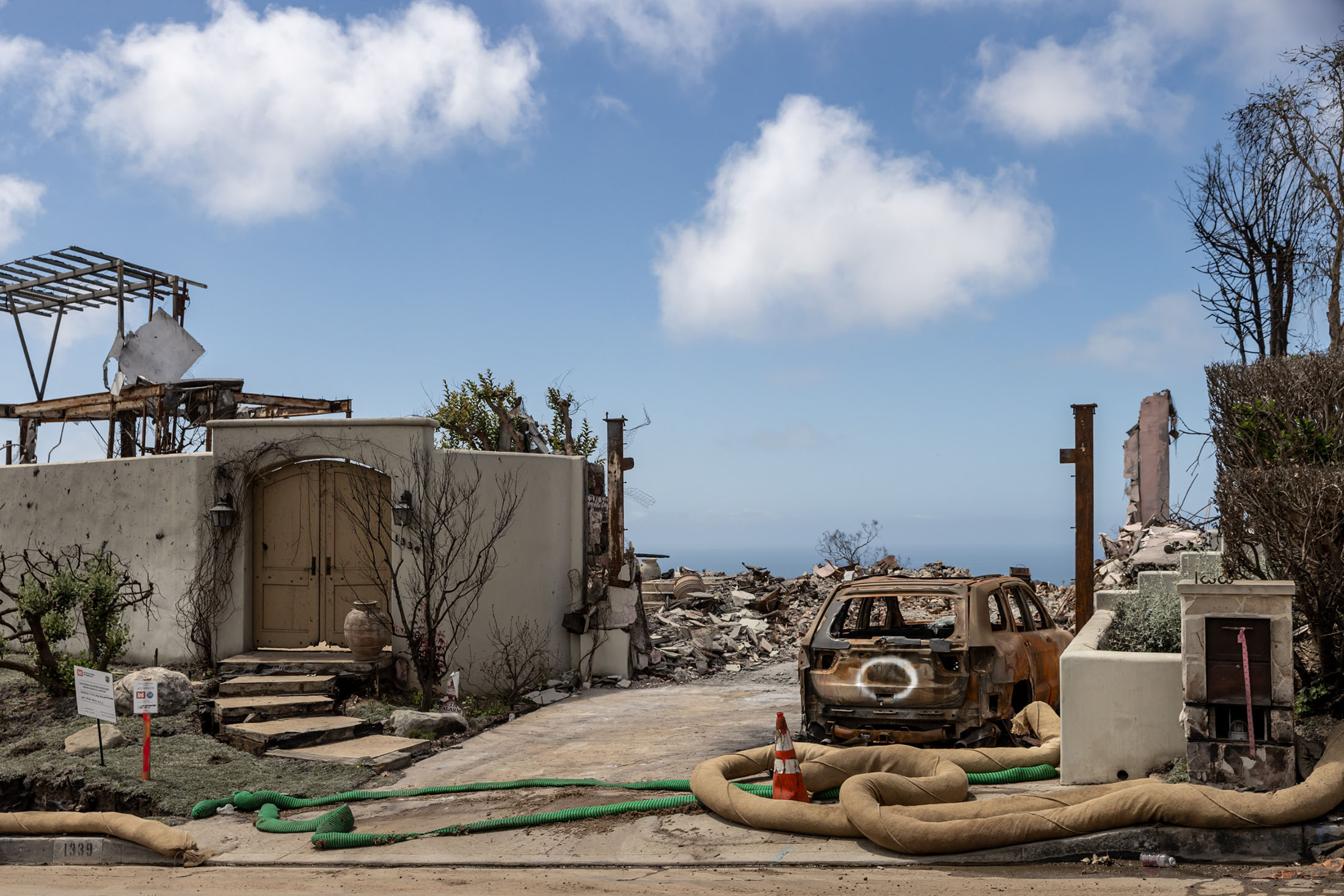
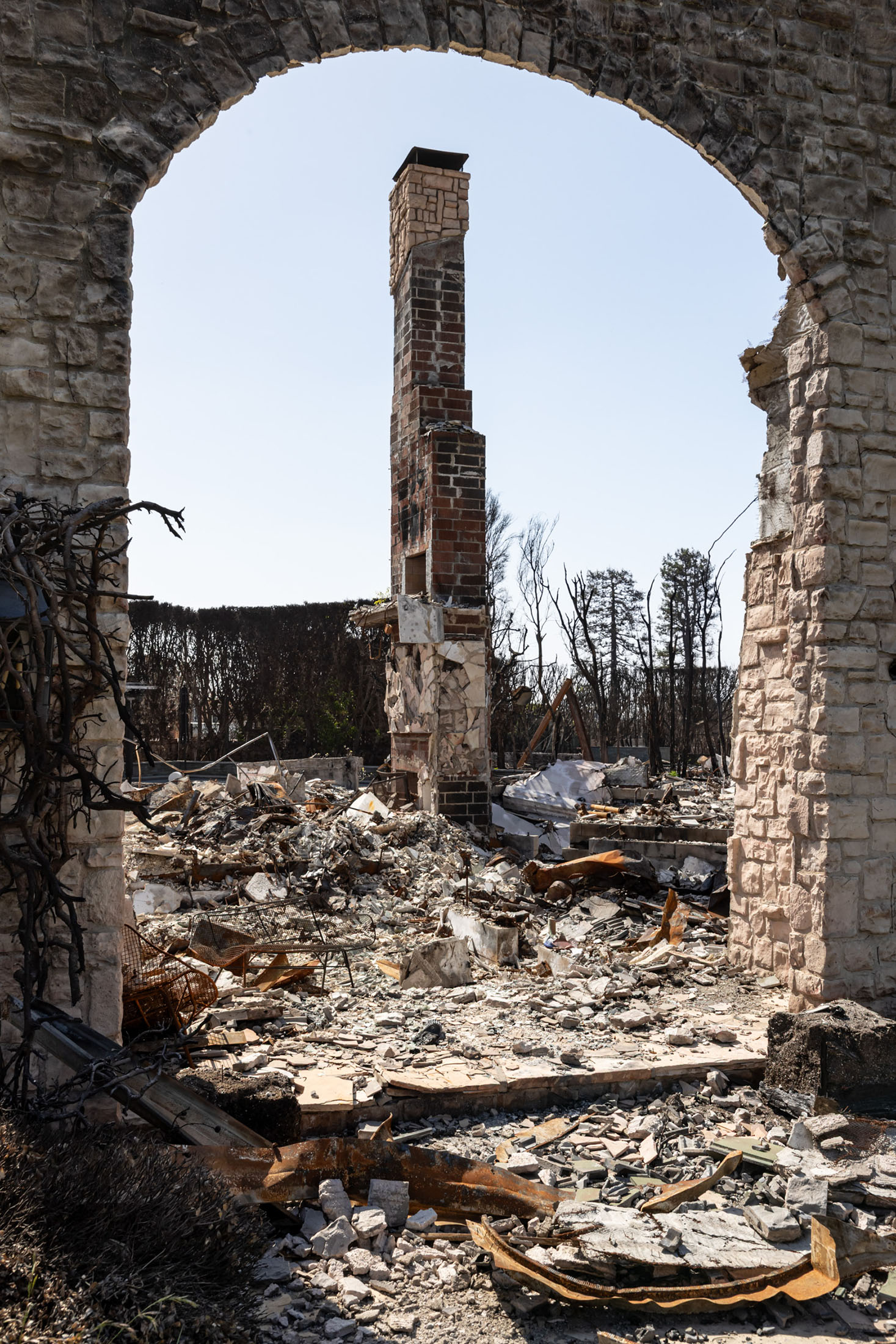
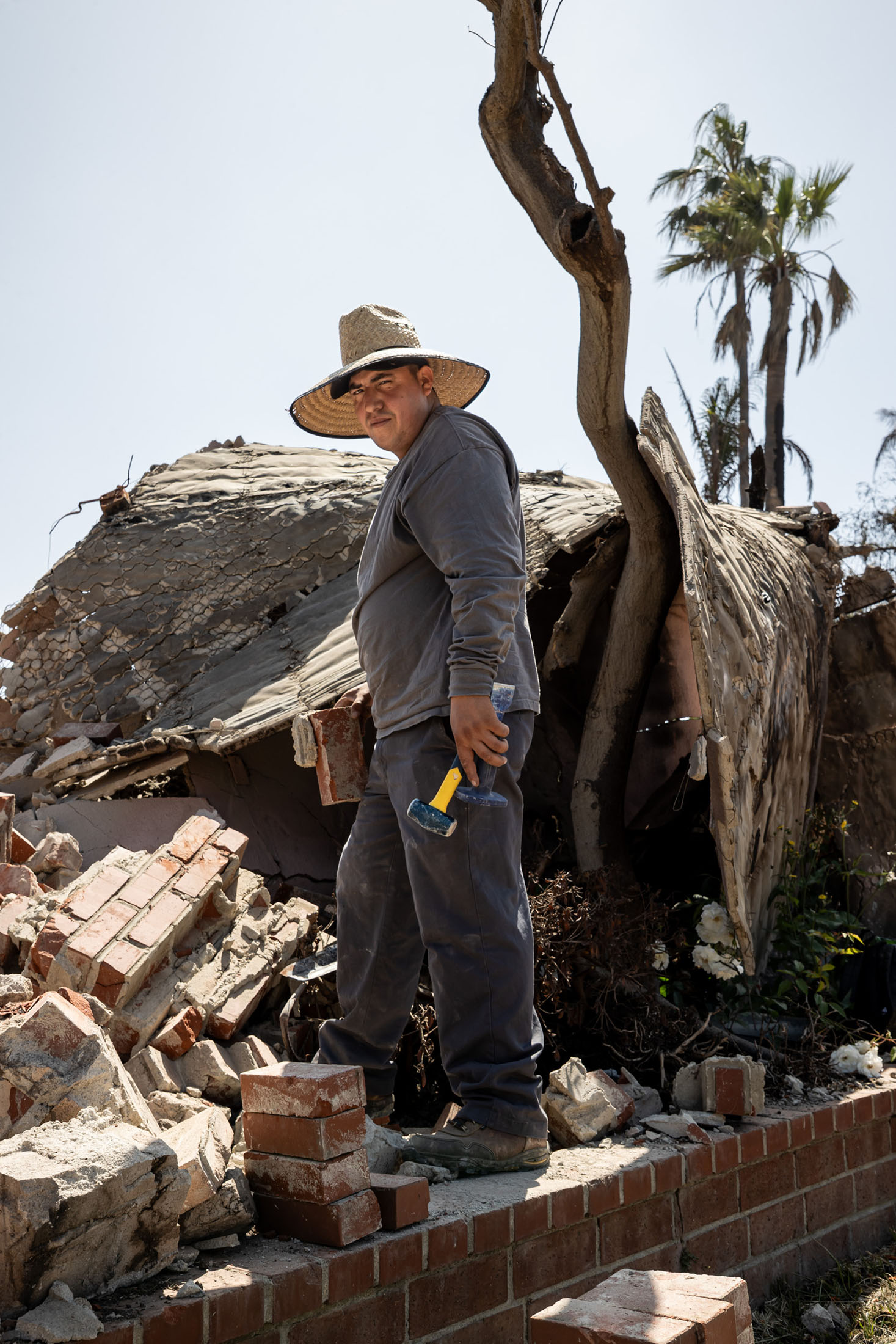
“I’m from Michoacan. The owner hired me when I was at Home Depot looking for work, and I’m just out here saving whatever I can for them. Right now I’m breaking these bricks apart and stacking them over there. Maybe they can reuse them."
– Miguel
“These guys have been dealing with this for years, bro. They’re not criminals. They don’t have any probation or parole going on. These guys work, just dedicate to their family, working and providing.”
– Reynaldo

“I hope the people appreciate what we’re doing. Maybe when we finish the job they can start to feel it’s looking like their city again.”
– Isidro
Drone footage of the Palisades Fire cleanup, March-July 2025
Filmed + edited by Barron Bixler
Between March and July 2025, photographer Barron Bixler traversed the Palisades Fire burn zone in Los Angeles to document the U.S. Army Corps of Engineers’ Phase 2 debris removal operation. Central to the project are photos of and conversations with the men—mostly Latino and from working-class communities on the south and east sides of LA—who carried out the dangerous work of clearing a million tons of debris and toxic ash, paving the way for residents to sell or rebuild. The project offers an urgent, intimate perspective on the human cost of fire recovery—against a backdrop of worsening climate disaster and political persecution of immigrant communities across the U.S.